AS 1657 Handrail Compliance Explained
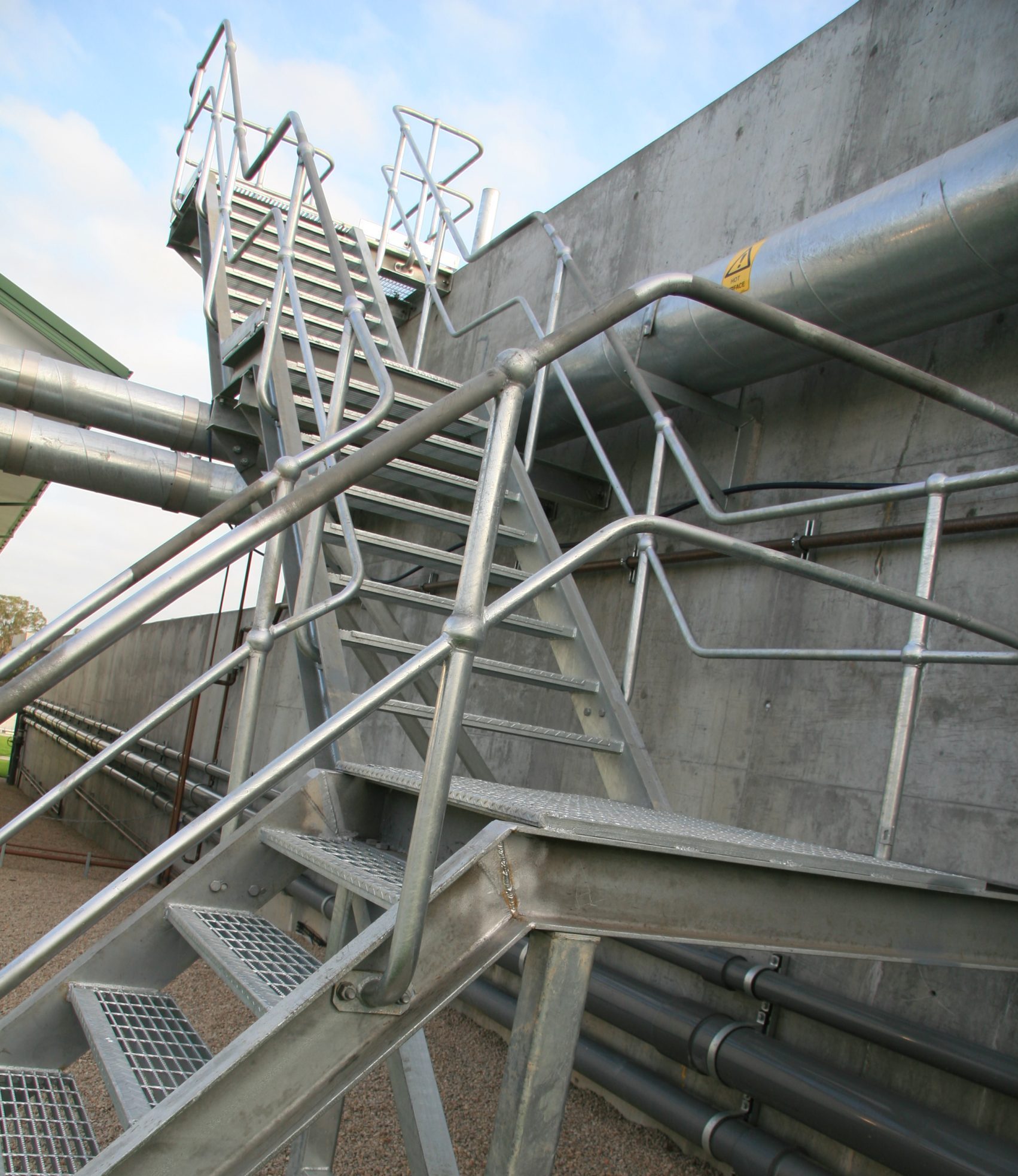
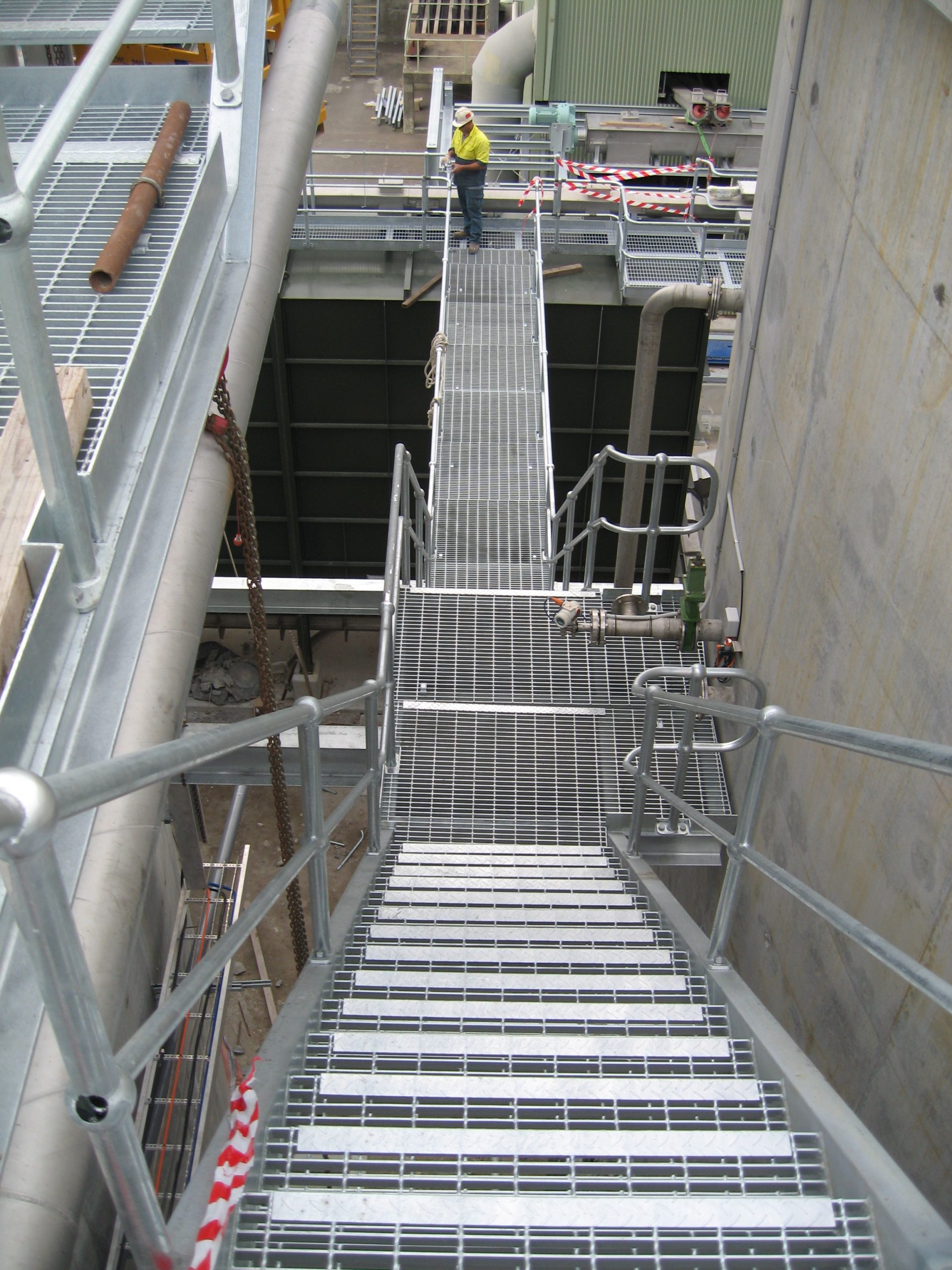
If you’re designing or installing handrails in Australia, ensuring compliance is essential. Handrails aren’t just a finishing touch; they’re a key safety feature that helps protect anyone using walkways, platforms, stairs, or elevated work areas from falls.
The design of handrails typically falls into two broad categories:
- Domestic or Residential
- Workplace or Industrial
Here, we will only look at compliance for workplace and industrial contexts. If you need handrails for home or residential situations, you will need to consult a building professional or the National Construction Code (NCC)
AS 1657 is the Australian Standard that sets out what’s needed for fixed platforms, walkways, stairways, and ladders. In most cases, you’ll need compliant handrails and guardrails to help prevent falls and keep your workplace safe.
The details can vary depending on things like the height of your platform, how people access it, where it’s located, and how it will be used.
At Edcon Steel, we stock a wide range of steel products that are ideal for handrail fabrication. Just remember, it’s up to the project designer, fabricator, or installer to make sure everything meets the right standards.
Important Safety & Specification Disclaimer
This article is intended as a general guide only and should not be relied upon as engineering, design or compliance advice. Australian Standards may be updated, and project requirements can vary significantly depending on the application, site conditions and local regulations. Always consult the latest version of AS 1657, relevant building codes, workplace safety requirements and qualified engineers or compliance professionals before specifying, manufacturing or installing handrail systems.
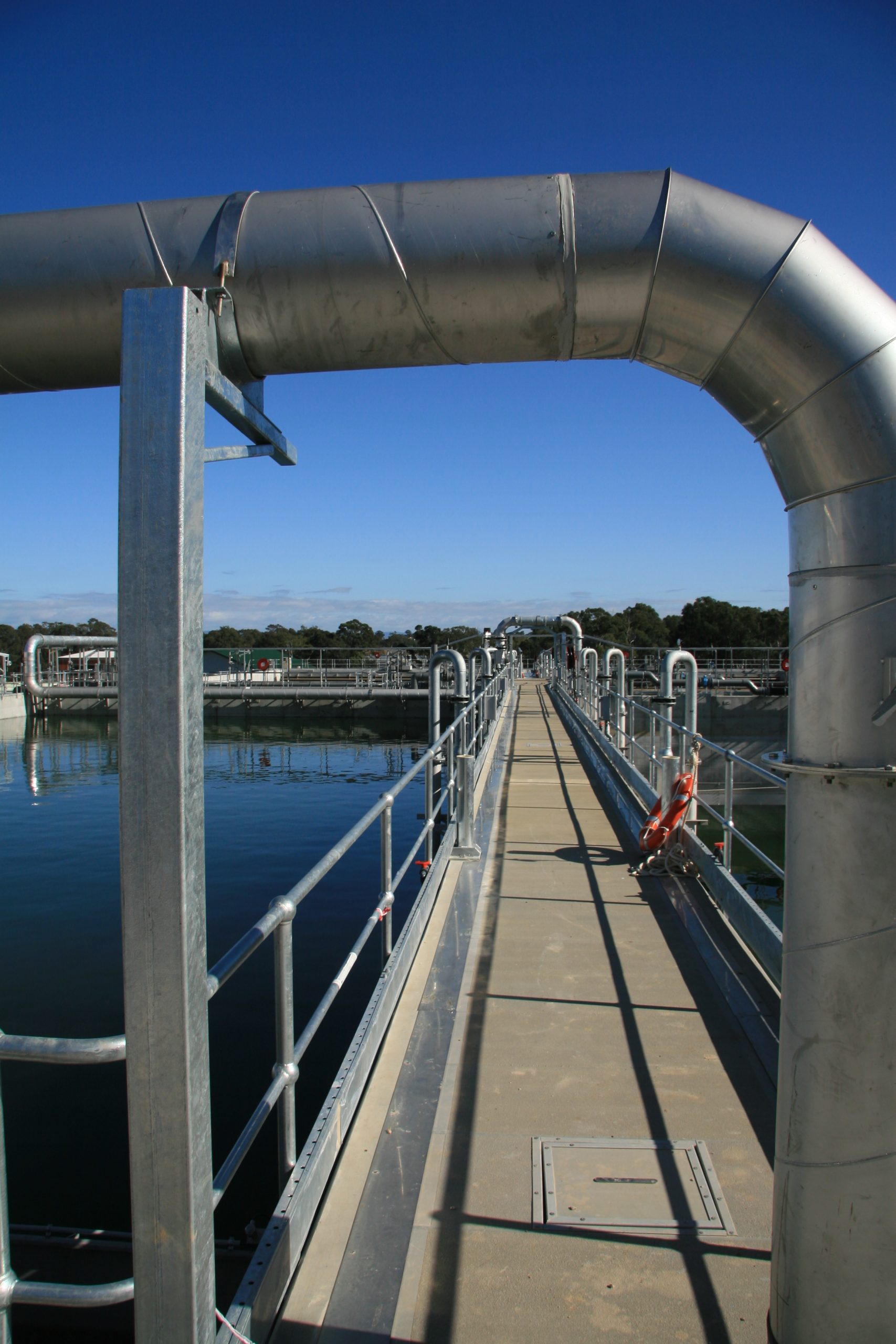
What Is AS 1657?
AS 1657 is the main Australian Standard that covers how fixed platforms, walkways, stairways, and ladders should be designed, built, and installed. It sets the rules for safe access structures in workplaces and industrial sites, like handrails and guardrails, fixed ladders, stairways, walkways, and platforms. For example, if a worker needs to climb up to a machine, access a roof, inspect equipment, or walk along an elevated platform, AS 1657 helps ensure they can do it without an unreasonable risk of falling or tripping.
The goal of this standard is to make workplaces safer by reducing the risk of falls and making sure people can safely access equipment, machinery, and elevated areas.
A common source of confusion is that AS 1657 is mainly for industrial and workplace access systems, not ordinary residential stairs in a house. Residential stairs are generally governed by the National Construction Code (NCC) and related building requirements. That’s why a staircase can comply with AS 1657 but still not satisfy residential building rules. For domestic and residential applications, please refer to the National Construction Code (NCC).
AS 1657 is commonly referenced across:
- Industrial facilities.
- Manufacturing plants.
- Warehouses.
- Processing facilities.
- Commercial buildings.
- Infrastructure projects.
- Agricultural operations.
- Utilities and maintenance environments.
Handrails are just one part of AS 1657, but they’re often the most visible and important safety feature you’ll see on site.
Browse Edcon’s Range of Handrail Products
Handrails vs Guardrails
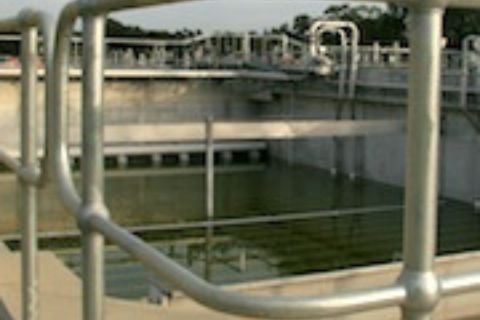
A handrail is simply a rail that gives people support and guidance when they’re using stairs, ramps, walkways, or any kind of access system. The main job of a handrail is to make movement easier and provide a solid surface to hold onto.
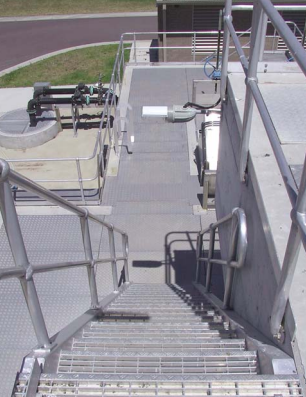
Instead of helping you move, guardrails are meant to prevent people from falling from elevated areas. Importantly, guardrails are not to be confused with balustrades in this context. While both function as a fall prevention measure, guardrails are simple, heavy-duty barriers built purely for general fall protection. Balustrades are often used in public and residential settings and feature a top rail supported by a series of vertical posts (balusters).
For information regarding balustrade compliance, please refer to the NCC.
In lots of workplaces, you’ll often see systems that combine both handrail and guardrail functions in one setup. Neither of these terms should be confused with a handrail. A handrail is solely a graspable rail designed for grip and balance (e.g., the rail mounted to a wall alongside stairs). Both guardrails and balustrades can have a handrail attached to or integrated into their top section.
| Handrails | Guardrails | |
|---|---|---|
| Primary Purpose | Provide support and guidance | Prevent falls |
| Common Location | Stairs and ramps | Platforms and elevated areas |
| User Interaction | Designed to be held | Primarily a protective barrier |
| Compliance Considerations | Accessibility and support | Fall prevention and protection |
| Typical Construction | CHS, RHS or SHS sections | RHS, SHS and structural components |
Please note this is a general guide only. Always consult with qualified engineers or compliance professionals before specifying, manufacturing, or installing handrail and guardrail systems.
Why Handrail Compliance Matters
Falls are still one of the biggest safety risks in Australian workplaces.
Non-compliant handrails can result in increased risk of slips, trips, and serious injury; project delays and remediation costs; and insurance complications, workplace safety breaches, and regulatory action.
It’s much easier and cheaper to get compliance right at the design stage than to fix things after everything’s been built!
During the design stage, here’s the top 5 questions you should be asking:
- How will the handrail will be used?
- Will the handrail system also need to function as a guardrail?
- Are there any specific environmental conditions (e.g. weather, moisture, or corrosive environments) that need to be considered?
- What are the access requirements for workers, visitors, or members of the public?
- What are material and long-term maintenance requirements?
Getting these decisions right early can help avoid costly redesigns, fabrication changes, or installation delays later in the project.
Key AS 1657 Handrail Considerations
The exact requirements can change depending on your project, but here are some common things to think about when designing handrails:
| Compliance Area | Consideration |
|---|---|
| Height | Minimum handrail and guardrail heights may apply. |
| Strength | Rails must be capable of withstanding specified loads. |
| Openings | Gaps and openings may be restricted. |
| Access | Safe access and movement must be maintained. |
| Visibility | Rails should be clearly identifiable and positioned appropriately. |
| Materials | Materials must be suitable for the intended environment. |
| Kickplates | Positioned at the very bottom of a handrail system to prevent objects from sliding off the edge of a raised platform. |
Always refer to the latest version of AS 1657 and any project-specific engineering requirements.

Edcon's Range of Handrail Products
Steel is a favourite for handrail systems because it’s strong, durable, and suitable for a wide range of applications.
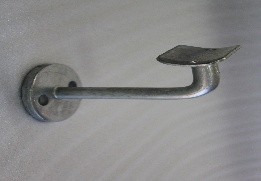
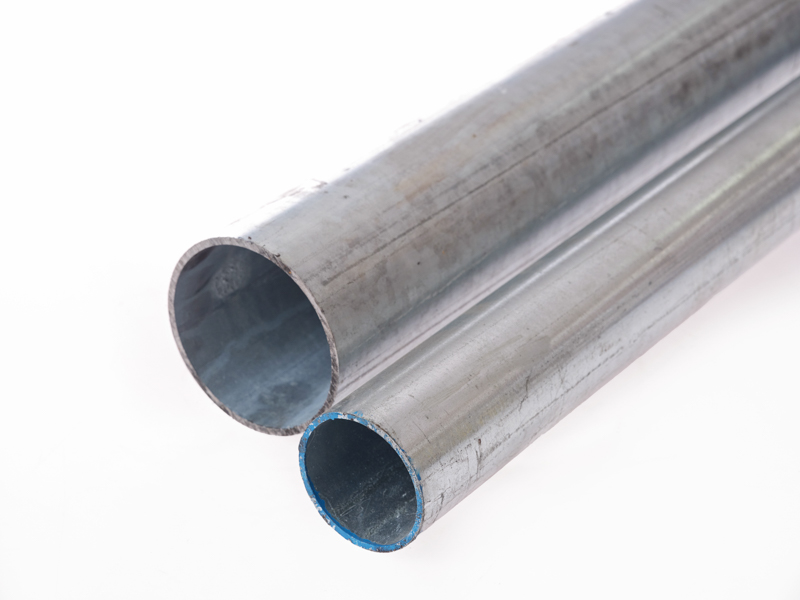
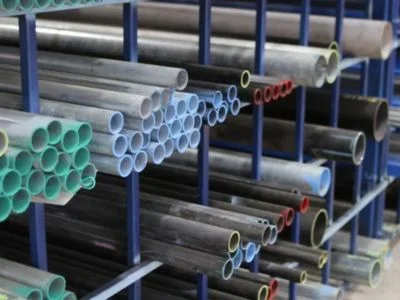
While Edcon Steel doesn’t stock any completed handrail systems “off the shelf”, we’ve got the materials and components to get the job done. Our range includes everything from round, square, and rectangular steel tube, to prefabricated bends, posts (stanchions), and brackets, in both mild steel and hot-dip galvanised options. We can even assist with stainless steel options for specialised projects that require a polished architectural finish.
Handrails are critical safety installations, so high-quality steel handrails that offer excellent strength and durability are a must for both structural support and user safety.
Depending on the design brief, handrail fabrication may involve:
- Structural Steel RHS: widely used for handrail posts, guardrail frames, structural supports and industrial barriers.
- Structural Steel SHS: often selected for modern handrail systems, architectural applications, platform guardrails, and Balustrade structures.
- Structural Steel CHS: gives you that classic handrail look and is often used for top rails, safety barriers, industrial walkways and access systems.
- Flat Bar: frequently used for brackets. connection points, mounting systems and fabrication details.
- Stainless Steel Products: if you need something that stands up to corrosion, stainless steel is a great choice for coastal environments, food processing facilities, washdown areas and architectural projects.
In many projects, multiple steel products are used together. For example, CHS may be used for the handrail itself, while RHS or SHS sections are used for posts, supports, and guardrail frames.
At Edcon Steel, we also supply economical, strong and simple handrail systems engineered to meet Australian Standards. With gates, bends, and stanchions available in either mild steel or HDG steel, you’ve got economical options that are both strong and simple.
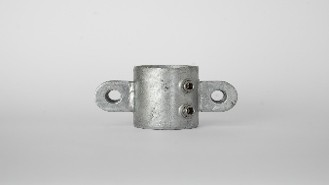
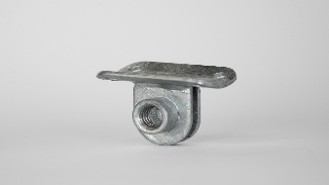
We also stock products from Unifit Handrail Solutions, an innovative handrail and guardrail system built around modular fittings and connectors, instead of traditional welded assemblies. The Uni-Fit range of industrial-grade fittings (coupling rings, elbows, bases, and brackets) allows you to connect and create custom rail configurations by simply bolting components together, with no welding or complex fabrication required.
Common Applications For Steel Handrails
You’ll find steel handrails used in all sorts of industries right across Australia.
Industrial Facilities
Factories, workshops, and processing plants often need compliant access systems to keep people safe around machinery and elevated work areas.
Warehouses
Warehouses commonly use handrails around mezzanines, access stairs, loading docks, and maintenance platforms.
Commercial Buildings
In commercial buildings, steel handrails are a common choice for stairways, plant rooms, and maintenance access.
Infrastructure Projects
Bridges, service walkways, and utility structures often include steel handrail systems to keep users safe.
Agricultural Sites
On farms, you need handrails that can handle tough Australian conditions and keep working year after year.
Handrail Material Selection Considerations
When you’re choosing materials for your handrail project, think about:
- Environmental exposure.
- Corrosion requirements.
- Structural loads.
- Fabrication requirements.
- Maintenance expectations.
- Project budget.
- Compliance obligations.
Different environments often require different materials.
Mild steel is commonly used in industrial and commercial applications where strength and cost-effectiveness are priorities.
Galvanised steel is often selected for outdoor applications because the protective zinc coating helps resist corrosion.
Stainless steel is a popular choice for coastal locations, food-processing facilities, and other environments where corrosion resistance is especially important.
Need Steel Handrails?
Whether you’re building an industrial access platform, a warehouse mezzanine, a commercial stairway, or an accessibility upgrade, choosing the right materials is crucial to creating a safe, compliant handrail system.
With more than 1,800 steel profiles, easy online ordering, custom cutting, and delivery anywhere in Australia, we make it simple to get the materials you need for your next job.
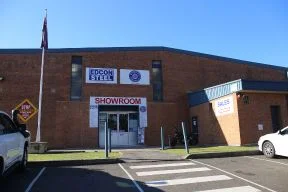
Drop into one of our NSW stores in Brookvale, Revesby, Blacktown, Bathurst, or Orange, or check out our full range online.
If you need advice, pricing, custom cutting, or delivery options, just get in touch with the Edcon Steel team—we’re here to help.
FAQs
Does AS 1657 apply to all handrails?
Not necessarily. AS 1657 specifically addresses fixed platforms, walkways, stairways and ladders in a workplace or industrial situation. Other standards or building regulations may apply depending on your project.
What's the difference between a handrail and a guardrail?
A handrail is designed to provide support and guidance when using stairs, ramps, and walkways. A guardrail is designed to prevent falls from elevated areas. Many industrial and commercial systems combine both functions into a single installation.
Can I buy steel handrails components online?
Yes. Edcon Steel offers a range of handrail components and materials through our online store, with delivery available across Australia.
Can Edcon Steel cut handrail materials to size?
Yes. We provide custom cutting services across our Brookvale, Revesby, Blacktown, Bathurst, or Orange locations, as well as for online orders.
What steel products are commonly used for handrails?
Common options include Steel RHS, SHS, and CHS, as well as flat bar and stainless steel products, depending on the application and design requirements.
Do you deliver steel handrail materials outside NSW?
Yes. Edcon Steel supplies customers throughout Australia using our own delivery network and trusted freight partners.
Are stainless steel handrails better than mild steel?
Each has advantages. Stainless steel offers superior corrosion resistance, while mild steel may provide a cost-effective solution in many environments.
Can home DIY customers purchase handrail materials?
Absolutely. We work with builders, engineers, fabricators, tradespeople and home DIY customers alike.
Steel in Action: Projects & Know-How

17 June 2026 / Edcon Team
David’s Steel and Metal Creations
Long-time Edcon Steel customer and full-time farmer, Justin Press, has carved out a unique niche restoring antique wood-fired stoves to better-than-new condition.
Read More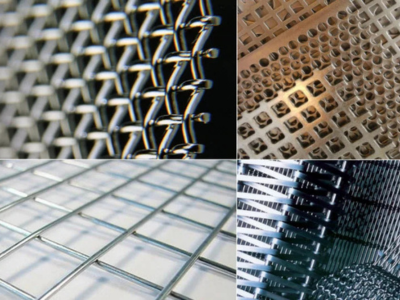
21 August 2026 / Edcon Team
Guide to Steel Mesh and Perforated Products
At Edcon Steel, we stock a wide range of welded steel mesh, woven steel mesh, expanded steel mesh and perforated steel for builders, fabricators, tradies, manufacturers, and DIY customers.
Read More
Ready to Get Steel Your Way?
Store locations
Brookvale
Learn More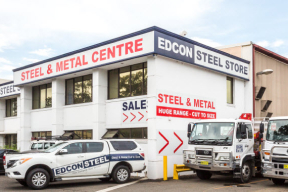
Revesby
Learn More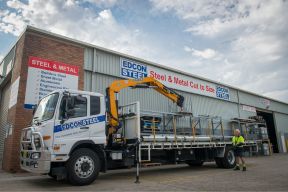
Blacktown
Learn More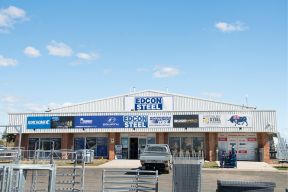
Bathurst
Learn More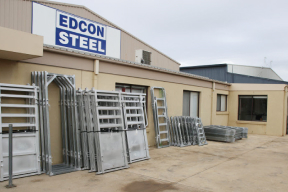
Orange
Learn More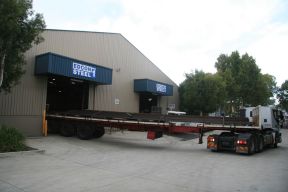
Brookvale Head Office
Learn MoreLeading brands