Dubbo HSC students showcase metalwork skills
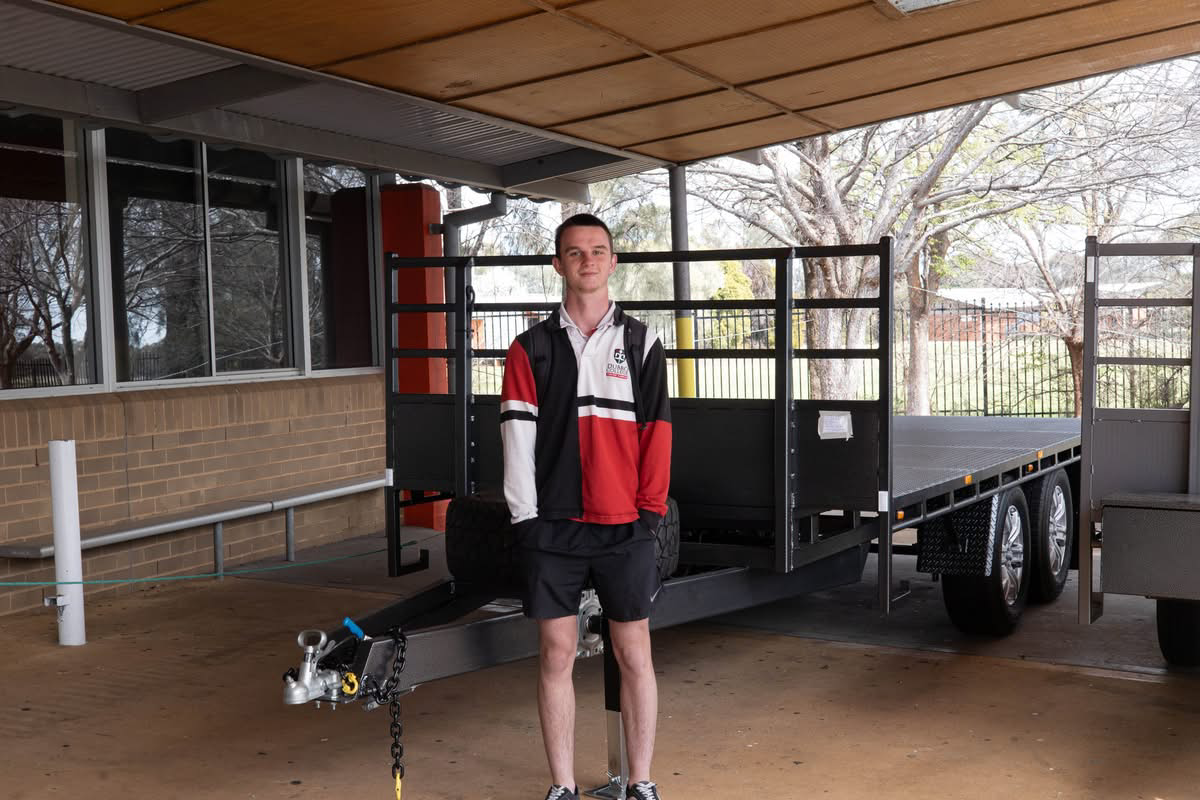
For anyone involved in a young person’s life, whether as a parent, coach or teacher, witnessing a young person’s ideas or talents develop is very satisfying.
For teachers, working with students on a year-long project results in a ripple effect. The student is progressing and, in some instances, finds their place. The class challenges one another, and debate becomes constructive. When the project, with all its ups and downs, is peer-recognised, there is a sense of pride among the whole student body, and the institution itself gains bragging rights over its competitors.
This was the case for the Industrial Technology – Metals and Engineering students at Dubbo College Senior Campus in regional New South Wales. In a recent interview with the head teacher (TAS), Mr Nigel White, his joy in the achievements of the 2025 HSC major projects was infectious.
“This cohort was impressive, each project demonstrates technical skill, creativity and problem-solving abilities that would be right at home in a professional engineering or fabrication workshop”. Mr Nigel White, Head Teacher TAS – Dubbo College Senior Campus
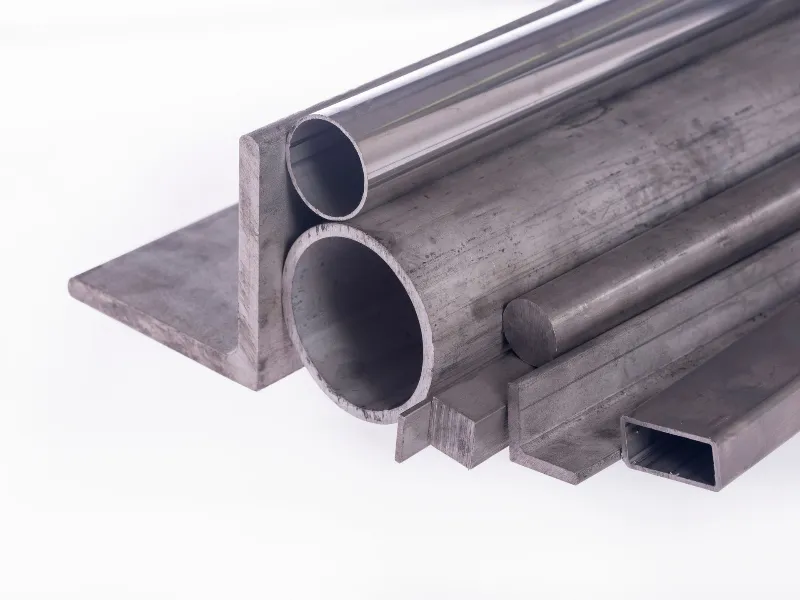
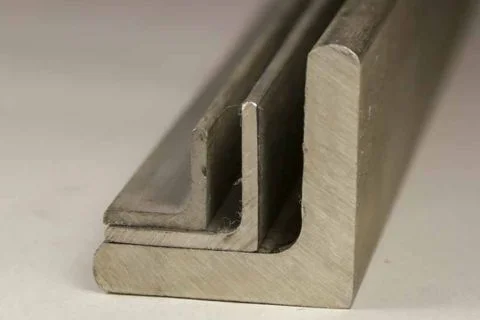
While Edcon Steel played a minor role in supporting the student body, contributing to ongoing education in steel and metal fabrication is an important element of our business culture.
Outstanding HSC results for Dubbo students
Creativity is a personal thing. Some people play music; others illustrate; some write stories or plays; some act, and others build things. Whatever it is, the goal is for the project to mean something and be helpful to those who experience it. This was the case with the 2025 HSC collective.
Of the 13 students who completed the course, six achieved Band 5 (above 80%), and one achieved Band 6 (above 90%).
Even more impressively, six major projects were nominated by HSC markers for consideration for the NSW Education Standards Authority (NESA) SHAPE exhibition, which showcases outstanding HSC work from across New South Wales. It was the highest number of nominations the College had ever received.
These achievements reflect far more than practical workshop skills. Assessment incorporates the completed project (40%), the supporting design and development folio (20%), and the HSC theory examination (40%).
Students must demonstrate planning, technical understanding, documentation and practical execution.
“This particular class was the best I’ve seen in 30 years,” says Nigel
So, what did the students create?
The diversity and complexity of the students’ projects demonstrated just how much can be achieved when practical skills meet imagination.
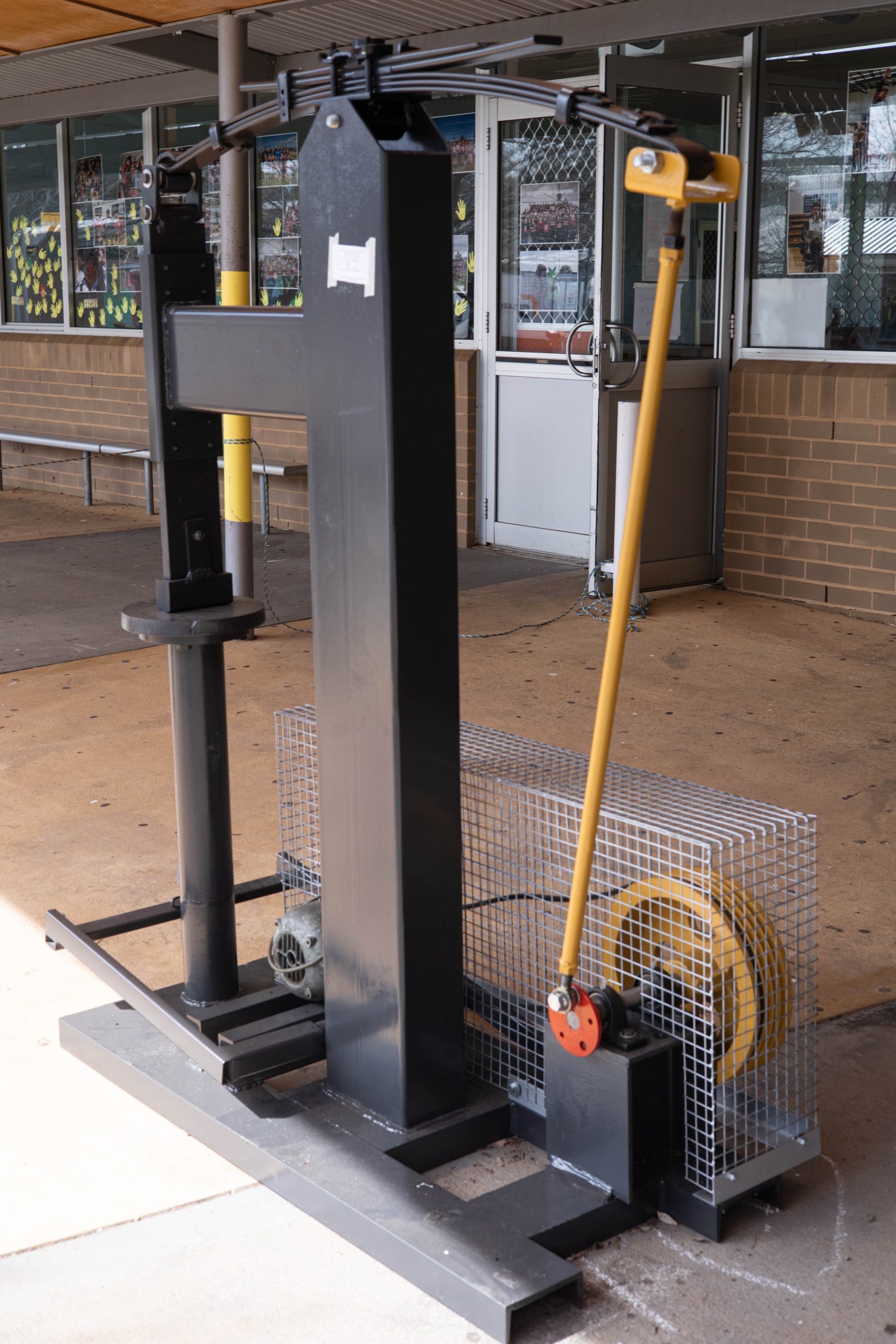
One student constructed a working power hammer, using predominantly recycled scrap materials sourced from his family’s farm. Remarkably, the entire project cost approximately $200.
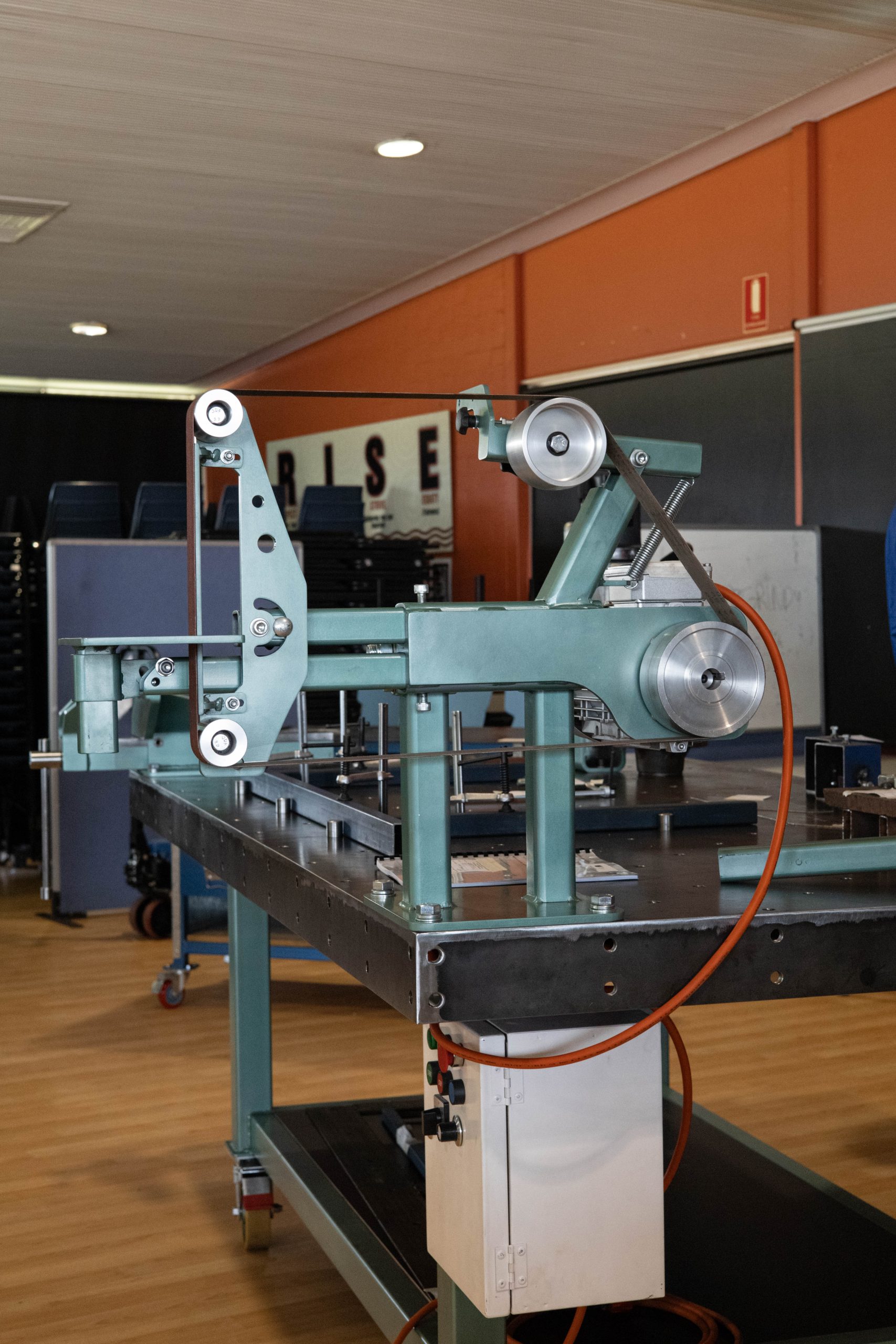
Another particularly ambitious student completed three substantial projects: a welding fabrication table, a belt sander and a 200 mm offset vice. The student completed the electrical wiring while undertaking work experience under the supervision of a qualified electrician.
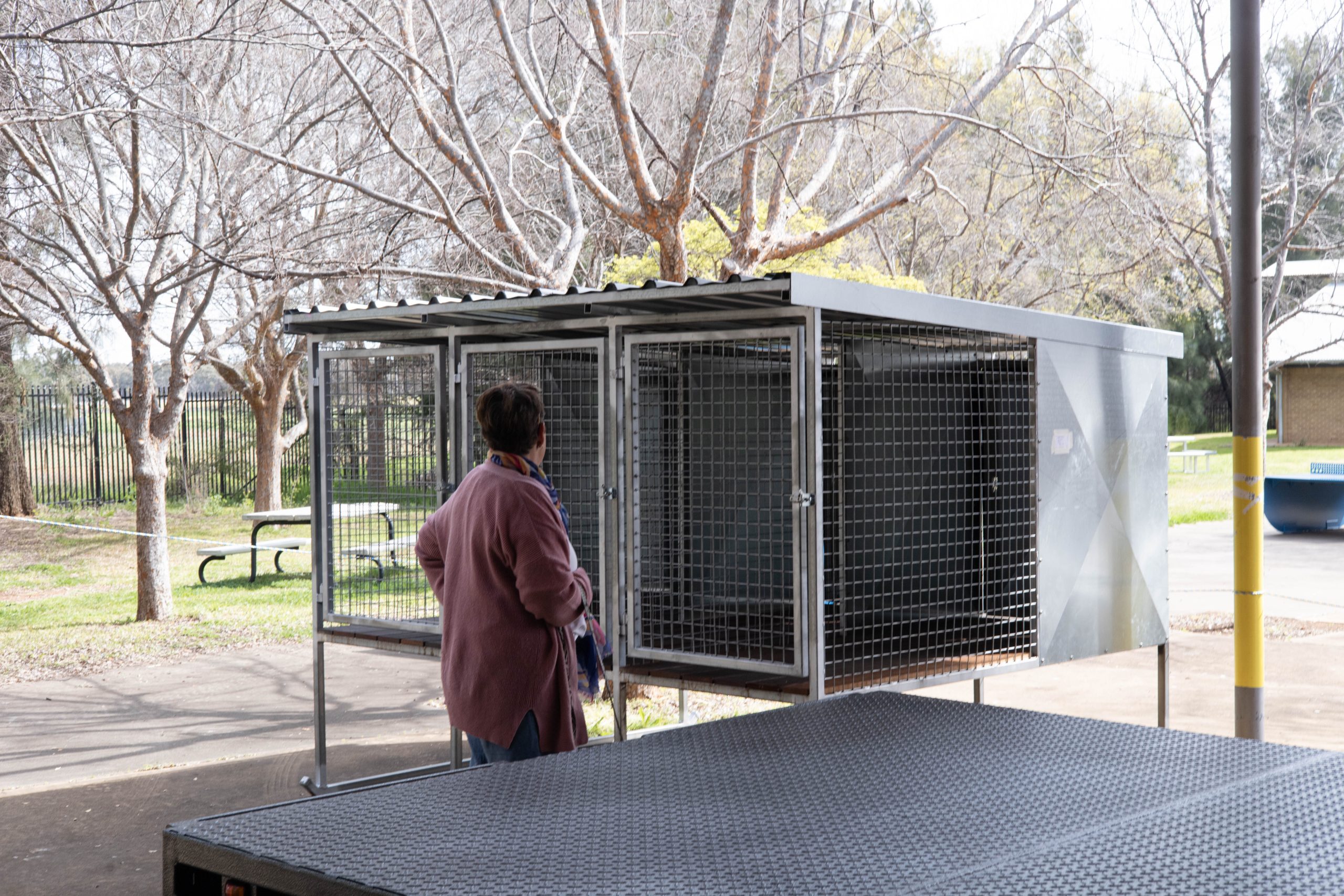
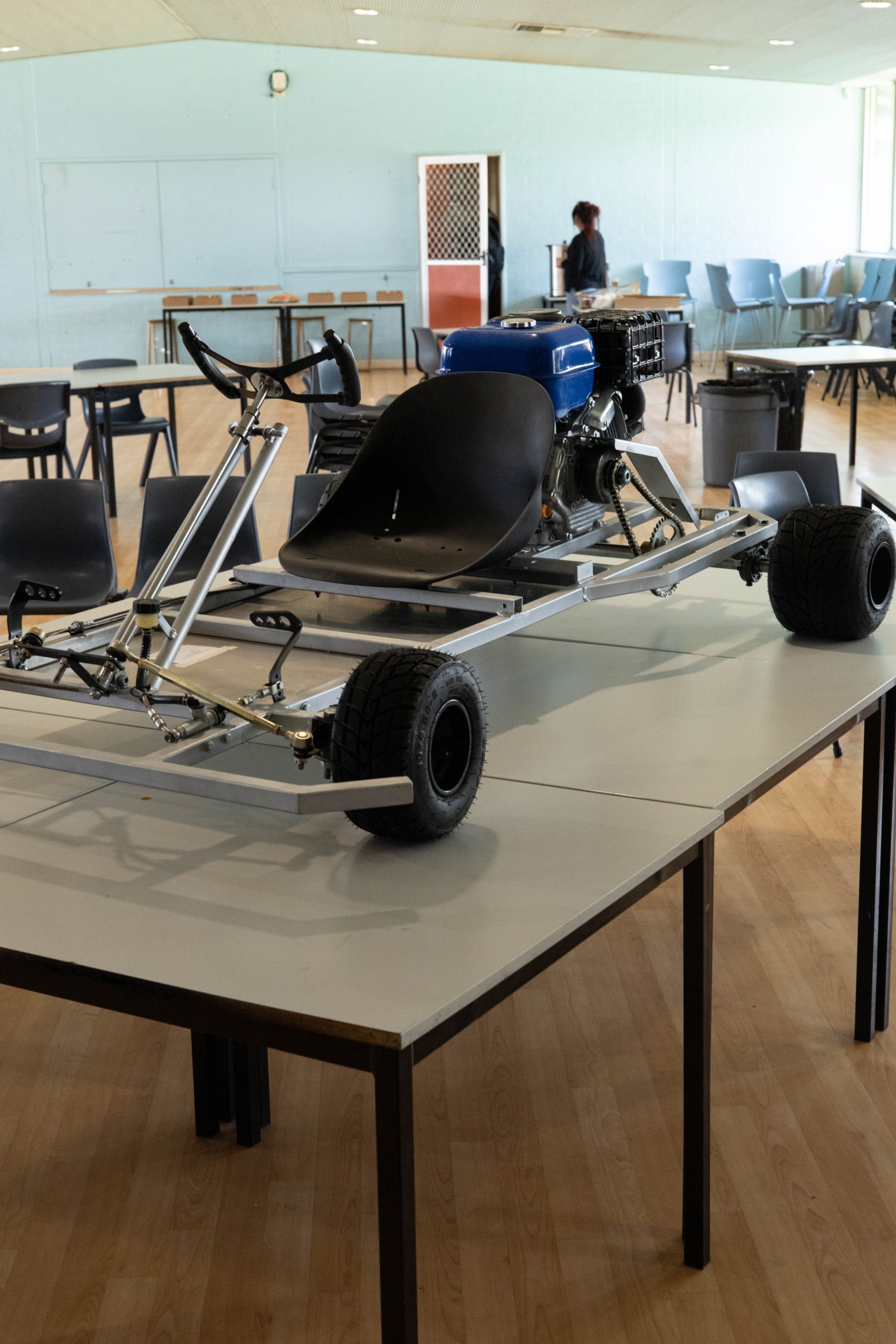
Other projects included trailers, practical workshop equipment, and a motor-driven billy cart.
For young people growing up in regional communities, these skills are particularly relevant. Agricultural machinery, equipment maintenance, fabrication and repairs are part of everyday life, and understanding how to manufacture or modify components can be invaluable.
Supporting the next generation of metalworkers
Behind every successful school workshop is a combination of committed teachers, motivated students and access to appropriate materials. For Nigel, sourcing specialised steel products for educational projects has become increasingly challenging.
Traditional suppliers don’t always carry the smaller quantities, dimensions or particular grades required for school metalworking activities. After meeting representatives from Edcon Steel at an industrial arts conference in Sydney, Nigel discovered a supplier willing to help source the materials his students needed.
That relationship has developed into a practical collaboration. Nigel has also shared original metalworking castings with Edcon for evaluation and potential reproduction, helping explore opportunities to preserve traditional workshop projects for future students.
For Edcon Steel, supporting schools like Dubbo College reflects a broader commitment to keeping metalworking knowledge, skills and craftsmanship alive. Importantly, the relationship highlights how industry and education can work together to give students meaningful hands-on experiences.
Metalwork education does matter
Technology is transforming manufacturing, construction and engineering; however, the fundamental skills of working with metal remain essential. Students learning metalworking and fabrication develop capabilities that extend beyond welding, cutting, machining, and assembly.
They learn to interpret technical drawings, understand material properties, work accurately, manage safety requirements and solve practical problems. These are transferable skills relevant to careers in engineering, manufacturing, construction, agriculture, maintenance and the skilled trades.
Importantly, secondary school metalworking provides an opportunity to discover interests and abilities that may not emerge through traditional classroom subjects. For some students, it becomes the starting point for an apprenticeship. Others may pursue vocational qualifications, engineering studies or careers in advanced manufacturing.
Whatever pathway they choose, practical education provides a space where experimentation, mentoring, and inventive and critical thinking can develop with proper safeguards and experienced guidance, leading to real-world commercial outcomes.
A promising future for regional skills
Interest in metalworking at Dubbo College Senior Campus has spiked. Subject selections indicate that approximately 45 students could enrol in two metalworking classes in 2027/28, creating new opportunities alongside challenges related to workshop space and resources.
It’s a positive indication of the value young Australians continue to place on practical, hands-on education. The achievements of 2025 Dubbo HSC students deserve recognition not only for their outstanding marks or exhibition nominations, but also for showcasing what young people can accomplish when given the right opportunities.
With passionate teachers, supportive industry partners and access to quality materials, the next generation of Australian metalworkers, fabricators and engineers is already taking shape.
The team at Edcon Steel congratulate the students and the school on this outstanding achievement.
FAQs
What did Dubbo College students achieve in their 2025 HSC metalworking course?
Of the 13 students who completed Industrial Technology – Metals and Engineering, six achieved Band 5 results and one achieved Band 6. Six major projects were also nominated for consideration for the prestigious NESA SHAPE exhibition, a record achievement for the College.
What types of metalworking projects did the Dubbo HSC students complete?
Students designed and fabricated an impressive range of projects, including a working power hammer, a welding fabrication table, a belt sander, an offset vice, trailers, and workshop equipment. Many projects incorporated recycled materials, demonstrating creativity, technical ability and practical problem-solving skills.
Why is metalworking education important for Australian secondary school students?
Metalworking education develops practical skills in fabrication, welding, machining, technical drawing and material selection. It also encourages creativity, critical thinking, teamwork and problem-solving, providing valuable skills for future employment and everyday life.
What career opportunities can studying metalwork at school provide?
Secondary school metalworking can create pathways into apprenticeships, vocational education, engineering, manufacturing, construction and specialised fabrication trades. These skills are particularly valuable in regional Australia, where agriculture, machinery maintenance and equipment fabrication support local industries.
How does Edcon Steel support metalworking education in Australian schools?
Edcon Steel supports practical metalworking education by helping schools such as Dubbo College Senior Campus source specialised steel products and materials for student projects. Through industry collaboration, Edcon Steel aims to encourage the development of technical skills, craftsmanship and future career opportunities in Australian manufacturing and fabrication.
Why is industry collaboration important for the future of metalworking education?
Collaboration between schools and industry helps students access appropriate materials, technical knowledge and practical insights into professional fabrication environments. These relationships support teachers, encourage hands-on learning and help prepare the next generation of Australian metalworkers, fabricators and engineers.
Steel in Action: Projects & Know-How
23 September 2026 / Edcon Team
Vale Jim Frecklington: Royal Coach Builder and a True Gentleman
<span style="font-weight: 400;">Edcon Steel remembers long-time customer and friend Jim Frecklington OAM MVO, who recently passed away after a long battle with cancer. Jim was an extraordinary man, whose royal coaches made their way from a workshop in Sydney to some of the world’s great ceremonial occasions. Jim was a wonderful character and, quite simply, one of those people you feel fortunate to have known. </span>
Read More
17 June 2026 / Edcon Team
David’s Steel and Metal Creations
Long-time Edcon Steel customer and full-time farmer, Justin Press, has carved out a unique niche restoring antique wood-fired stoves to better-than-new condition.
Read More
11 October 2026 / Edcon Team
Structural Steel Column vs Structural Steel Beam: What’s the Difference?
<span style="font-weight: 400;">Understanding the difference between structural steel columns and beams can make ordering, specifying, and installing much easier. Here, we dive into what you need to know before choosing, cutting, or installing.</span>
Read More
19 October 2026 / Edcon Team
Dubbo HSC students showcase metalwork skills
Dubbo College HSC students achieve outstanding results in metalwork and fabrication, showcasing practical skills, innovation and future pathways.
Read More
Ready to Get Steel Your Way?
Store locations
Brookvale
Learn More
Revesby
Learn More
Blacktown
Learn More
Bathurst
Learn More
Orange
Learn More
Brookvale Head Office
Learn MoreLeading brands