What are the differences between 304 and 316 stainless steel?
Understanding the differences between stainless steel grades can make or break your next project. Projects can vary, so selecting the most appropriate stainless steel is vital to ensuring a project’s success, durability and cost. Some construction or engineering projects require a stainless steel grade that needs to endure corrosive environments, and austenitic stainless steels are likely to be the first choice.
With excellent mechanical properties and the high amounts of nickel and chromium in austenitic stainless steel, this means they provide exceptional corrosion resistance. The most common stainless steel grades are 304 and 316, which are both austenitic grades. What are the differences between 304 and 316 stainless steel? Which stainless steel is the most appropriate for your application?
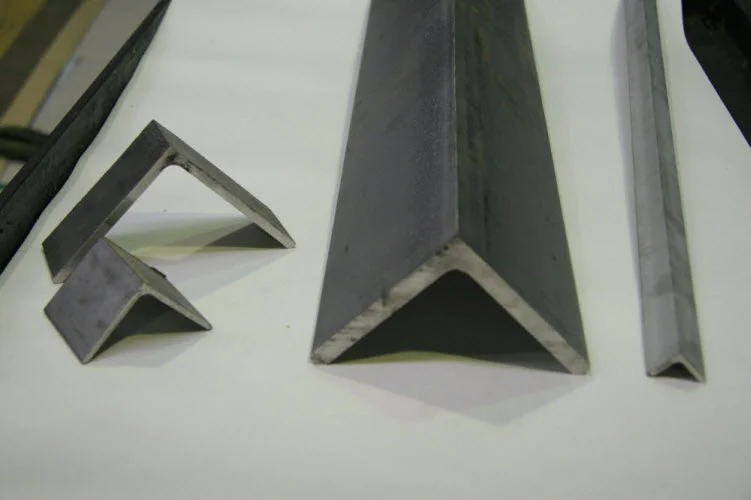
Understanding the components of stainless steel
Although stainless steel is less easily stained than other iron-based materials, over time it can still get marked by fingertips and grease and can develop discolouration and rust. This is referred to as ‘tea coloured’ staining. This can be visually unappealing but will not generally affect the performance of the stainless steel.
What gives stainless steel its added durability is its resilience? Stainless steel can withstand prolonged atmospheric exposure and use before showing signs of wear, unlike other steels.
All steels have the same basic iron and carbon composition, but stainless steel also contains a healthy dose of chromium—the alloy that gives stainless steel its famous corrosion resistance.
There are multiple grades under the stainless steel umbrella, each with slightly different alloy composition and therefore slightly different physical characteristics which are important for selecting the correct properties for your own application.
Depending on the grade, it may contain much higher chromium levels and additional alloying ingredients like molybdenum, nickel, titanium, aluminium, copper, nitrogen, phosphorus and selenium.
Two of the most common stainless steel grades are 304 and 316, and each grade contains specific alloying ingredients that give it unique applications.
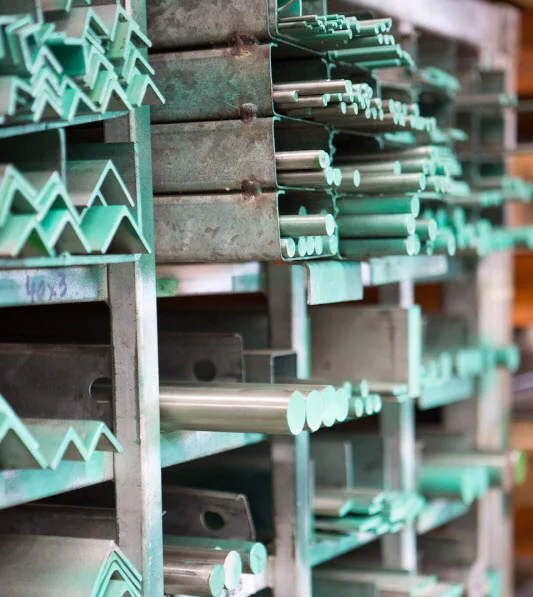
What is grade 304 stainless steel?
Grade 304 stainless steel is the most common austenitic stainless steel. It is commonly known as ‘kitchen grade’ and is sometimes marked or stamped with 18/10 or 18/8 grade. 304 grade stainless steel contains between 16 and 24% chromium and up to 35% nickel, as well as small amounts of carbon and manganese. The remainder of the chemical composition is primarily iron.
The most common form of 304 stainless steel is 18-8 or 18/8 stainless steel, which contains 18% chromium and 8% nickel.
The high amounts of chromium and nickel give 304 stainless steel excellent corrosion resistance. Grade 304 stainless steel is commonly used in the following applications:
- Refrigerators and dishwashers
- Commercial food processing equipment
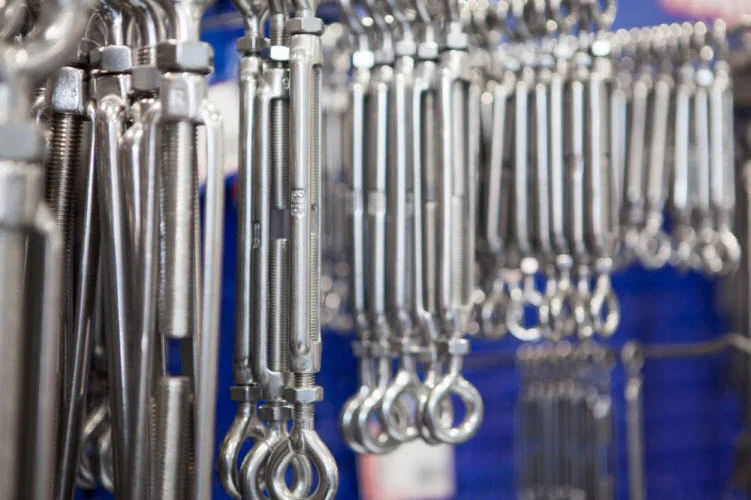
- Fasteners
- Piping
- Heat exchangers
- Structures in environments that would corrode standard carbon steels
For more aggressive environments, 304 grade stainless steel will struggle to maintain its performance and you’ll need to look at the next step up to what is the second most common grade of stainless steel.
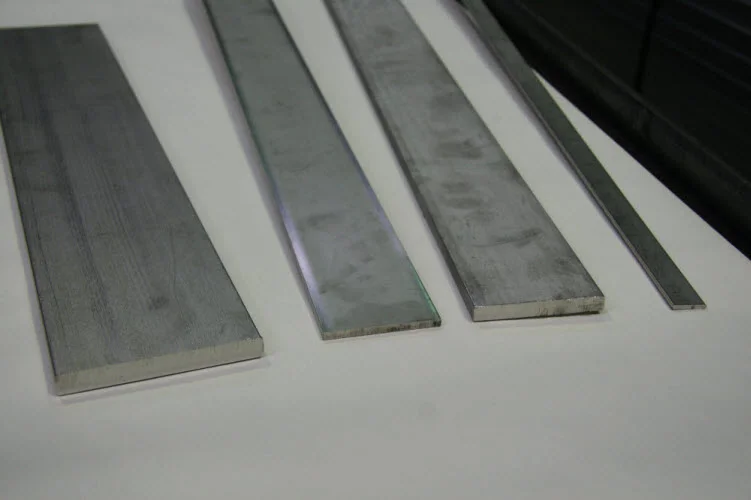
What is grade 316 stainless steel?
Grade 316 stainless steel is commonly called a marine grade stainless steel. It has higher amounts of nickel and chromium and the addition of molybdenum to improve its corrosion resistant properties. Grade 316 stainless steel also contains silicon, manganese and carbon, with the majority of the composition being iron.
Grade 316 stainless steel is often considered one of the most suitable choices when selecting austenitic stainless steel for marine applications. This makes grade 316 stainless steel particularly desirable for applications where exposure to salt may be an issue.
Grade 316 stainless steel is more optimal in environments that include a high amount of corrosive elements, the material will be placed underwater, or in applications that require greater strength and hardness.
Common applications of 316 stainless steel include:
- Chemical processing and storage equipment
- Refinery equipment
- Medical devices
- Marine environments, especially those with chlorides present
- Swimming pool areas and enclosures
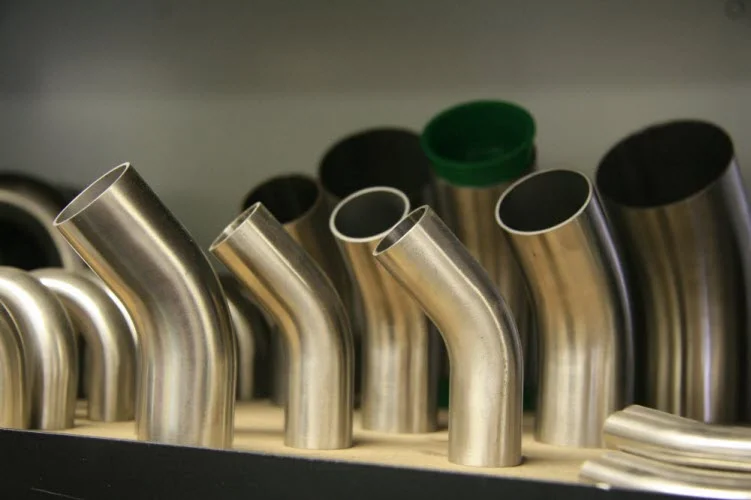
The major difference between 304 and 316 stainless steel
The major difference between 304 and 316 stainless steel is the chemical composition, with grade 316 containing molybdenum while grade 304 does not include molybdenum.
The molybdenum content results in grade 316 possessing increased corrosion resistance.
However, the molybdenum content in grade 316 stainless steel can have adverse effects on formability and machinability, and then there are also cost impacts, as grade 316 stainless steel is generally more expensive than grade 304.
Which is better: grade 304 or 316?
Both 304 and 316 stainless steel use nickel to maintain an austenitic composition at lower temperatures.
Austenitic steels ensure a versatile balance of strength, workability and corrosion resistance, making them ideal for outdoor architectural features, surgical instrumentation and food processing equipment.
However, a large volume of 316 stainless steel can be found in products related to the food and beverage industries. Grade 316 stainless steel is commonly found in commercial kitchens and food processing plants.
Due to its higher resistance to chlorides, 316 is a standard in the marine industry for boats, ships and marinas requiring extended performance from their metal fixtures.
Grade 316 stainless steel can also withstand shock and abrasive conditions and does not react to acids found in milk, cooked foods, vegetables and food additives.
The most important factor to consider is if you have an application with very powerful corrosives or one that relies on chlorides, then paying a premium for grade 316 stainless steel will result in a product that will last many times longer than grade 304 stainless.
However, for applications using milder acids or where salt exposure isn’t a concern, grade 304 stainless steel can work just as well.
Are you looking for complete steel solutions?
Edcon Steel is Australia’s most comprehensive online steel and metal superstore, so if you’re looking for products for your next project, we’ve got you covered. We cut and supply steel and metal – in a wide range of shapes, sizes and grades – for all your project needs.
Read more stainless steel and other steel articles to find out more about the steel industry, customer projects and product resources.
Steel in Action: Projects & Know-How
31 March 2026 / Edcon Team
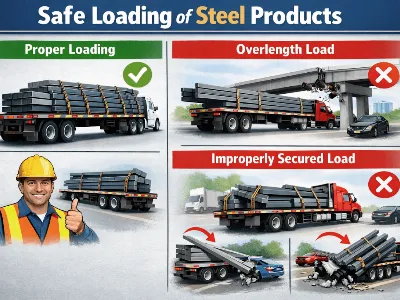
Safe Loading Practices
At Edcon Steel, the safety of our customers, staff, road users, and the wider community is always our top priority. That’s why we’ve created this guide, to help you load and transport your Edcon Steel products safely and responsibly.
Read More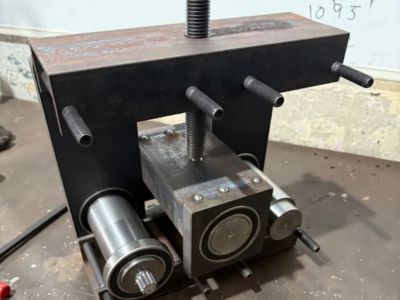
11 March 2026 / Edcon Team
From Concept to Completion in Five Days: Pavlos Hanna’s Custom Bar Roller
For Pavlos Hanna of Specialty Engineering Solutions, a professional challenge became the catalyst for an impressive project that earned him recognition in the Edcon Steel Project Competition.
Read More
31 March 2026 / Edcon Team
Safe Loading Practices
At Edcon Steel, the safety of our customers, staff, road users, and the wider community is always our top priority. That’s why we’ve created this guide, to help you load and transport your Edcon Steel products safely and responsibly.
Read More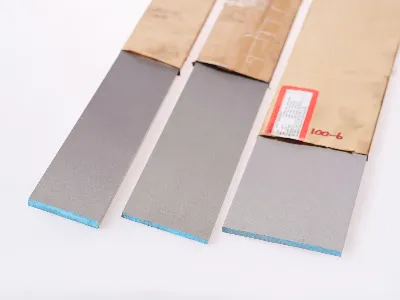
12 February 2026 / Edcon Team
Gauge Plate (Flat Ground Stock): Precision Steel for Every Project
Here, we break down what gauge plate is, why it’s used, and how Edcon makes sourcing quality products quick and easy, no matter where you are in Australia.
Read More
Ready to Get Steel Your Way?
Store locations

Brookvale
Learn More
Revesby
Learn More
Blacktown
Learn More
Bathurst
Learn More
Orange
Learn More
Brookvale Head Office
Learn MoreLeading brands